
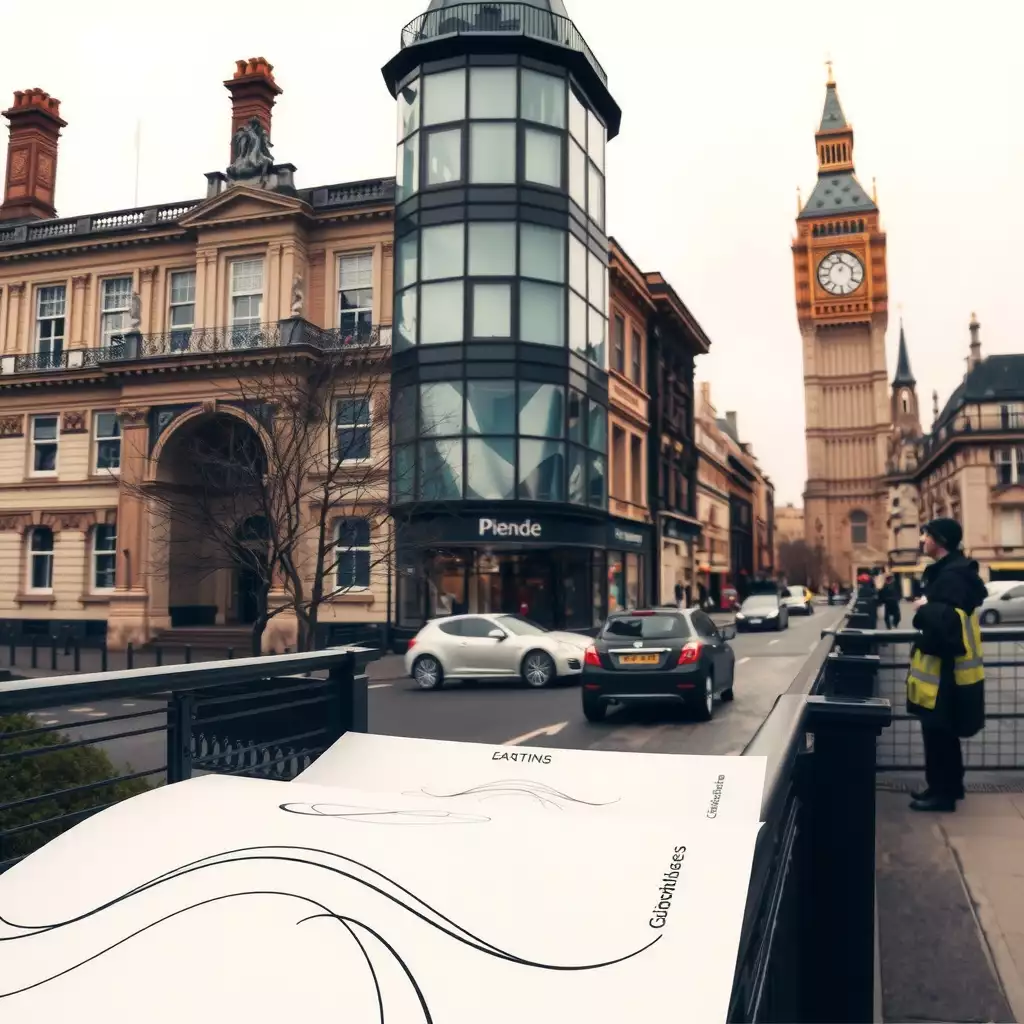
Smooth Director Drawings for London Owners

Key Takeaways
- Artists create designs that showcase the charm of London homes, giving property owners a personal touch to make their spaces feel special.
- The collaboration between artists and clients leads to designs that match preferences and celebrate the cultural history and variety in London’s neighborhoods.
- Tools like Building Information Modeling (BIM) and Virtual Reality (VR) change how people interact with development plans, promoting transparency and encouraging community participation in the design process.
Understanding Smooth Director Drawings
Smooth director drawings are vital visual records that capture the architecture of London. By showing layouts, dimensions, and materials, these drawings help developers navigate regulations and tell a compelling story for each project. They connect ideas to reality, allowing everyone involved to see how concepts will fit into London’s neighborhoods.
Creating these drawings involves teamwork among property owners, architects, and local authorities to ensure alignment with aesthetic goals and legal standards, reflecting principles similar to family business governance. Involving community members adds depth; it fosters an atmosphere where feedback is welcomed and used in design decisions. This collaborative approach enriches the final outcome and addresses concerns from residents affected by new developments.
As cities adapt to modern needs, smooth director drawings are developing, adopting technologies like Building Information Modeling (BIM) and Virtual Reality (VR). These tools improve accuracy in designs while providing immersive experiences for potential investors or locals reviewing proposed projects. The future looks promising with opportunities for eco-friendly designs integrated into these illustrations, enhancing London’s character amid ongoing growth challenges.
Compliance in London’s Planning Process
Smooth director drawings are essential for navigating London’s complex planning rules. By outlining details of proposed developments, these drawings ensure projects meet local and national standards, including the National Planning Policy Framework (NPPF). Each line and measurement demonstrates a commitment to guidelines, considering environmental factors, community needs, and heritage preservation. This detail provides developers with clarity to gain approvals from borough councils while enhancing project appeal.
Engaging stakeholders throughout this process builds transparency, which is key for success. Including public feedback in these visual documents turns potential conflicts into opportunities for collaboration. Developers who involve community members during consultations can address concerns early. This approach fosters an atmosphere where residents feel valued, leading to smoother approval processes and stronger support for innovative designs that reflect London’s architectural style.
The Pros & Cons of Urban Development Planning
Pros
-
Clear director drawings help meet regulatory rules, making it easier to get planning approvals.
-
They improve communication and understanding among everyone involved by providing accurate visuals.
-
Including sustainable design features shows a commitment to the environment and supports city objectives.
-
Engaging with the community builds trust and lessens pushback against new projects.
-
New technologies like BIM and VR enhance precision and encourage active participation from stakeholders in the design process.
-
Successful examples show how these strategies can effectively change urban areas for both beauty and functionality.
Cons
-
If drawings don’t meet all the necessary requirements from the start, navigating complex regulations can cause project delays.
-
Combining modern designs with historical preservation makes the drawing phase more challenging.
-
Involving communities in discussions may extend the planning process because of differing opinions and feedback.
-
The high costs of advanced technologies can be a hurdle for some developers to overcome.
-
Keeping up with changing regulations often requires continuous updates, which can complicate project timelines.
-
Limited space in urban areas creates challenges for innovative design solutions that need to be captured in clear director drawings.
Value for Developers and Communities
Smooth director drawings play a key role in connecting developers and London’s communities. These visual representations of proposed developments show compliance with regulations and involve community members from start to finish. This process helps local residents feel heard, giving them ownership over new projects while addressing concerns about changes in their neighborhoods.
These visuals promote transparency, building trust and encouraging open discussions that improve project outcomes. Developers who listen to feedback during the design phase often see their ideas accepted more readily as residents recognize how modern designs can blend with historical features. In this relationship, smooth director drawings act as crucial communication tools, connecting ambitious plans with real-world expectations.
Using advanced technologies like Building Information Modeling (BIM) allows for quick adjustments based on stakeholder input, enhancing accuracy and relevance in the design process. As urban areas change rapidly, it’s essential for developers to adopt sustainable practices shown in these illustrations; this approach positions them as caretakers of London’s architectural story. Smooth director drawings offer more than compliance, they express community identity and support innovative development strategies that enrich London’s field.
Impact of BIM and Virtual Reality
Building Information Modeling (BIM) and Virtual Reality (VR) are transforming how architectural drawings are created and used in London. These technologies enable designers to create accurate models that enhance the design process and provide interactive experiences for property owners, investors, and community members. They can explore projects before construction, helping them understand how new buildings will fit into their neighborhoods.
BIM allows real-time updates, enabling designers to quickly adjust plans based on stakeholder feedback, addressing concerns while maintaining their vision. This blend of technology and creativity results in designs that connect with local environments while adhering to planning regulations. As London’s properties adapt to modern needs, this capability is essential for creating buildings that respect both current demands and historical significance.
VR enhances public engagement during consultations by allowing residents to experience virtual versions of proposed developments. This experience helps people visualize neighborhood changes, fostering trust by simplifying complex ideas. It encourages informed discussions where community input shapes project outcomes.
Combining BIM and VR signals a new era for collaborative urban development in London. These tools improve efficiency and maintain open communication among all participants, from architects designing details to residents affected by these projects, leading to smoother transitions from concept to construction without losing the charm of London’s diverse architecture.
Unlocking Smooth Director Drawings Insights for London
| Aspect | Description | Importance for Stakeholders | Technological Advancements | Sustainability Considerations |
|---|---|---|---|---|
| Definition and Purpose | Detailed architectural plans illustrating layout, dimensions, and materials of developments. | Essential for securing funding and planning permissions. | Integration of BIM for accurate representations. | Emphasis on incorporating green roofs and energy-efficient systems. |
| Regulatory Framework | Governed by NPPF and local development plans; must adhere to borough council guidelines. | Facilitates informed decision-making for local authorities. | Use of VR technologies for immersive experiences. | Compliance with sustainability standards like BREEAM. |
| Community Engagement | Developers present drawings during public consultations to gather feedback from residents. | Offers transparency and addresses community concerns early. | Enhances stakeholder engagement through visualization tools. | Builds goodwill towards new developments. |
| Challenges Faced | Navigating complex regulations can delay project timelines; balancing modern design with historical preservation. | Impacts project timelines and success rates. | Technology aids in overcoming some drafting challenges. | Requires careful consideration of community needs. |
| Future Trends | Increased demand for innovative designs maximizing limited space; trend towards mixed-use developments. | Necessitates flexible designs that adapt over time. | Advances in design technologies support innovation. | Focus on renewable energy sources and green spaces. |
| Recommendations | Early engagement with councils, use of technology, prioritize sustainability, foster community relationships. | Enhances compliance and reduces opposition to projects. | Technology improves accuracy and visualization. | Aligns with London’s commitment to greener urban spaces. |
Incorporating Green Practices in Design
Smooth director drawings are developing to support eco-friendly practices that align with London’s sustainability goals. By incorporating features like green roofs, energy-efficient systems, and responsibly sourced materials, these designs reflect a growing environmental awareness while enhancing property aesthetics. This approach meets local environmental objectives and attracts homeowners who value green living spaces.
Adhering to standards like BREEAM is crucial for smooth director drawings. Developers must demonstrate how their projects address environmental issues through careful planning, including evaluating carbon emissions and optimizing resource use during construction. This focus ensures that new developments not only fit into London’s field but also help preserve it for future generations.
Embracing sustainable practices encourages collaboration among developers, architects, and community members to create innovative solutions that benefit both people and the planet. As discussions about potential projects illustrated by smooth director drawings occur, stakeholders can explore ways to incorporate green technology into modern design without sacrificing style or functionality.
Blending sustainable principles into these artistic representations marks a shift toward responsible urban development in London, a movement where aesthetics align with environmental care. Property owners enjoy unique visual stories that honor nature’s beauty alongside historical significance while fostering vibrant communities dedicated to maintaining their neighborhoods’ character amid changing needs.
Strategies for Effective Consultation
Connecting with stakeholders during the consultation process is crucial for successful director drawings. Early discussions help property owners align their ideas with community expectations and regulations. This proactive approach gathers valuable insights that shape design choices while addressing potential concerns. Open communication fosters a sense of ownership among local residents, who appreciate being heard in projects affecting their neighborhoods. Using visual aids like sketches or digital models during consultations clarifies proposals and encourages feedback.
Technology can enhance these consultations. Tools like virtual reality allow community members to experience proposed designs, providing an engaging way to visualize changes. When residents see how new projects fit into their environment, it builds trust and reduces resistance to development plans. Making real-time adjustments based on stakeholder input ensures that designs meet planning rules and resonate with London’s architectural story, blending modern designs within historical urban areas.
Unveiling Secrets of Smooth Director Drawings
-
People often confuse smooth director drawings with sketches, but creating them requires a grasp of view and composition to make motion look fluid.
-
Many artists in London think that adding local architecture to their smooth director drawings gives the artwork charm, making it connect better with viewers who know the city.
-
There's a misconception that you can create smooth director drawings quickly; in truth, artists invest hours perfecting lines and tweaking details to achieve a polished appearance.
-
The technique behind smooth director drawings has roots in early animation methods where artists focused on crafting lifelike movements through careful line work.
-
Smooth director drawings aren't just for traditional media; digital tools have opened new possibilities for artists to experiment with textures and effects that enhance the sleekness of their creations.
Successful Examples in London
Smooth director drawings have significantly impacted notable projects in London, showcasing the city’s architectural journey while respecting its history. A prime example is the redevelopment of Battersea Power Station. Detailed illustrations guided construction and served as marketing tools to highlight its transformation into a mixed-use space. The blending of modern features with historical elements demonstrates an understanding of community feelings and regulatory needs, improving both appearance and function.
Another standout project is The Shard, a symbol of modern design amidst London’s historic skyline. Its development involved collaboration with various stakeholders to ensure that every drawing captured local architecture’s spirit while addressing public concerns about size and visibility. This dedication to incorporating feedback led to designs that resonate within their surroundings, showing how smooth director drawings can tell compelling stories.
To major developments, smaller residential projects across London illustrate how artistic representations can enhance homes by reflecting personal styles that match neighborhood character. Homeowners often commission illustrations highlighting specific architectural features or evoking memories connected to their areas; this personalized touch creates stronger bonds between residents and their communities. Each successful project highlights how smooth director drawings are more than compliance documents, they enrich urban life through thoughtful design choices.
Recent advancements like Building Information Modeling (BIM) open new doors for creativity in visual storytelling. Artists using BIM make precise changes based on stakeholder input, allowing dynamic adjustments during planning, a vital practice in complex urban environments like London. By creating interactive experiences around proposed developments using virtual reality platforms, they encourage participation from potential investors and neighbors, demonstrating how innovative techniques lead to more inclusive planning processes.
Whether iconic buildings reshape skylines or cozy homes exist in historic streetscapes, successful examples reveal two key truths: art holds power amid daily regulations; and it serves humanity best when rooted in context-aware frameworks built on genuine dialogue among participants. As we look ahead at future trends emerging from this blend of artistry and practicality, we anticipate growth opportunities benefiting everyone in our capital city, united under shared dreams reflected in every crafted stroke.
Navigating Regulatory and Design Issues
Smooth director drawings are essential tools that help property developers navigate London’s complex regulations and access guidance on London company tax planning. These illustrations clearly show every aspect of proposed developments, ensuring compliance with local zoning laws and national guidelines like the National Planning Policy Framework (NPPF). By highlighting key elements like layout, dimensions, and materials, these drawings serve as blueprints for architectural quality and environmental impact. They help stakeholders visualize how their projects will fit into the existing field and facilitate collaboration with borough councils during the approval process.
Creating smooth director drawings is a team effort that enhances their effectiveness in addressing design challenges. Involving property owners, architects, and local authorities ensures diverse viewpoints shape each project from the start. Public consultation is vital; by seeking feedback from community members early on, developers can address concerns before they escalate. Using advanced technologies like Building Information Modeling (BIM) allows for real-time updates based on this feedback, promoting transparency and trust among all parties. This collaborative approach results in designs that blend well with London’s architectural scene while complying with necessary regulations.
Emerging Directions in Urban Development
London’s urban development is changing rapidly as demand for sustainable building practices grows. With limited space, architects are adapting designs to showcase structures and promote eco-friendly values that support the city’s sustainability goals. Developers are adding features like green roofs and renewable energy systems to create projects that are visually appealing and environmentally responsible.
Technology plays a key role in this transformation. Building Information Modeling (BIM) allows for precise changes based on stakeholder feedback while improving teamwork among architects, property owners, and community members. This collaboration leads to design processes that include local input, resulting in developments that honor current needs and the historical character of London’s neighborhoods.
There’s a noticeable shift towards mixed-use developments designed to build vibrant communities instead of separate residential or commercial spaces. Architects use clear drawings to show flexible layouts meant for multiple uses; these designs help properties adapt over time while enhancing neighborhood connections through shared amenities.
Engaging with stakeholders has become crucial as developers face complex regulations and community expectations. By being transparent during consultations, using tools like digital models, developers can build trust with residents who want clarity about how new projects will impact their neighborhoods. This proactive approach reduces pushback and empowers communities to shape their surroundings.
Trends point toward a bright future for urban development in London characterized by creativity, environmental responsibility, and community involvement, all captured through drawings reflecting visions rooted in London’s architectural history.
Best Practices for Project Success
To make a project successful, it’s crucial to tax planning London. Property owners should start conversations when drawing up plans to ensure their ideas match community needs and regulations. This proactive approach helps gather feedback that can shape design choices and address concerns before they escalate. By keeping communication open, developers create a sense of involvement among residents, who appreciate having a say in projects affecting their neighborhoods.
Using tools like Building Information Modeling (BIM) boosts accuracy and encourages participation during the consultation process. These technologies allow for real-time updates based on community input, ensuring designs comply with rules and fit within London’s architectural style. Visual aids like virtual reality experiences enhance public interest; letting residents see proposed changes in familiar settings builds trust and eases resistance to new developments, paving the way for smoother approvals and better integration into urban areas.
Crafting London's Architectural Future
Smooth director drawings are key to shaping London’s architectural future by connecting rules with creative ideas. These illustrations show layouts, dimensions, and materials while ensuring new developments meet local guidelines and community needs. When property owners collaborate with architects and stakeholders, they create designs that fit beautifully into their surroundings. This teamwork encourages communication among residents, helping them discuss how new projects will blend into established neighborhoods while honoring historical elements.
Urban development is changing rapidly thanks to technology like Building Information Modeling (BIM) and Virtual Reality (VR). With these tools, smooth director drawings can quickly adapt based on feedback from stakeholders, making it easier for community members to visualize changes and easing concerns about new constructions. There is a stronger focus on sustainability, developers are prioritizing eco-friendly practices to meet today’s demands while enhancing London’s architectural field. This mix of creativity and technology ensures that the city’s skyline evolves alongside its rich cultural heritage.
FAQ
What are smooth director drawings, and what purpose do they serve in urban planning?
Smooth director drawings are architectural plans that show the layout, sizes, and materials for developments. These drawings play a crucial role in urban planning by helping secure permissions and ensuring adherence to regulations while making projects visually appealing.
How do regulatory frameworks impact the creation of smooth director drawings in London?
Regulatory frameworks shape how director drawings are developed in London by setting rules that developers must follow. These guidelines ensure that projects meet zoning laws, building codes, and local community needs.
What technological advancements enhance the accuracy and visualization of smooth director drawings?
Technological advancements like Building Information Modeling (BIM) and Virtual Reality (VR) simplify the creation of accurate director drawings. These tools provide detailed representations that are easy to adjust, allowing everyone involved in the project to experience realistic simulations before construction starts.
Why is community engagement important when presenting smooth director drawings to local residents?
Engaging the community is crucial when sharing director drawings with local residents. It promotes transparency, addresses concerns early, and helps create a positive atmosphere around developments. This approach leads to smoother approvals and greater acceptance of projects in the area.
What recommendations can property owners follow to improve their success rates with smooth director drawings?
Property owners can improve their chances of success with clear director drawings by connecting early with local councils, using technology, focusing on sustainability, and building relationships within the community.