
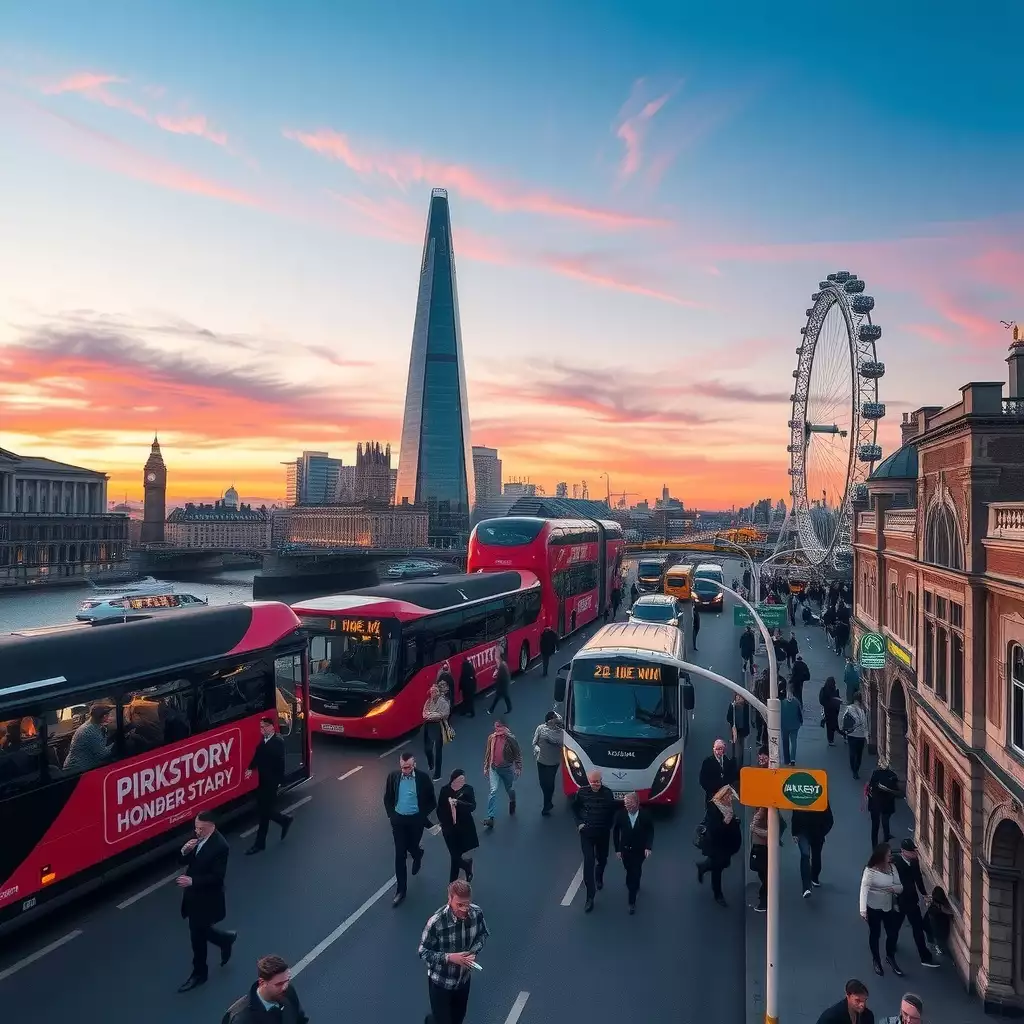
Compare London Performance Year-on-year

London’s performance metrics tell a story of strength and growth, showing that the city improves in many areas. Technology and finance stand out as sectors attracting significant investments, even when the economy faces challenges. This highlights London’s role as a business center and the importance of a company accounts pack. Events like the New Year’s Day Parade bring people together and boost local economies by encouraging tourism and helping businesses thrive. Research into genetic factors affecting athletic performance shows how London’s diverse population enhances its sports scene. All these aspects demonstrate that London is not just enduring tough times; it’s growing and succeeding by using strategies that embrace its cultural energy and scientific knowledge.
Impact of Environmental Noise on Cognition
Recent research highlights the negative impact of environmental noise on thinking, especially for vulnerable groups like children. Studies show that high noise levels can hinder learning and focus in schools. Field studies have found a link between outside distractions and lower academic performance, indicating that even small interruptions disrupt important thinking processes. Experimental research points out different types of auditory distractions; some grab our attention while others interfere with information processing.
This has major implications for urban planning, emphasizing the need to improve sound insulation in schools and public spaces. By enhancing classroom acoustics through smart design choices, decision-makers could create better educational environments that lead to improved learning experiences for students. Exploring how different kinds of noise affect behavior presents an opportunity; there’s a lack of data that calls for focused studies to examine these connections. As London develops into a busy city, prioritizing acoustic comfort will benefit individual well-being and enhance community engagement and cognitive health across the population.
Significance of Cultural Events on Performance
Cultural events enhance London’s appeal and boost community engagement. Take the New Year’s Day Parade, for example. It draws large crowds and creates opportunities for cultural exchange among diverse groups. This event is significant because it unites individuals from various backgrounds, fostering collaboration and fresh ideas. Featuring international performers like Bridgewater College’s Screamin’ Eagles Marching Band, London showcases itself as a vibrant cultural hub that values inclusivity while attracting tourists and encouraging local spending.
These events also generate interest in sectors like hospitality, retail, and entertainment, contributing to economic growth. When spectators enjoy performances across different art forms, they are likely to spend time, and money, exploring nearby areas. This increases visibility for local businesses and encourages participation in future cultural activities. London’s celebration of the arts enriches social lives and positively impacts metrics reflecting the city’s vibrancy and resilience.
The Pros & Cons of London's Performance Dynamics
Pros
-
Research on noise pollution shows that better classroom acoustics can really boost learning environments.
-
Events like the New Year’s Day Parade bring people together and encourage cultural sharing.
-
London shines as a global cultural center, attracting talent and audiences from around the world.
-
Understanding genetics related to performance can help create personalized training plans for athletes.
-
By focusing more on environmental issues, we raise awareness and discover solutions for urban problems.
-
When researchers team up with educators, they can develop effective strategies that enhance educational outcomes.
Cons
-
High noise levels can harm children's ability to think clearly and perform well in school.
-
There's not much research on how noise pollution affects behavior, so we still have a lot to learn about its overall impact.
-
Differences in genetics make it tough to create training programs for athletes that work for everyone.
-
Big cultural events can cause overcrowding and put pressure on local resources when they happen at peak times.
-
Environmental changes may not benefit all groups equally, creating gaps in performance potential.
-
Ongoing studies take a lot of time and money, which could slow down the introduction of practical solutions.
Role of ACE Gene in Athletic Success
The ACE gene is important for athletic performance due to its variations. The insertion/deletion (I/D) variant of the ACE gene influences endurance and strength activities. Athletes with the I allele excel in endurance sports like long-distance running and triathlons, while those with the D allele typically perform better in power-based events like sprinting and weightlifting. This genetic difference explains why some athletes excel in training that aligns with their genes.
Recent studies show that individuals with different ACE genotypes exhibit varying metabolic efficiency and training responses. Research indicates that those with D alleles often experience greater muscle strength gains after resistance training compared to those with I alleles, who may improve aerobic abilities more effectively over time. Populations at high altitudes have a higher frequency of I alleles, suggesting an evolutionary adaptation for better metabolic efficiency in lower oxygen levels. This connection between genetics and environment underscores their roles in athletic success. Understanding these differences allows coaches and trainers to develop tailored performance strategies based on each athlete’s genetic makeup.
Effects of Noise on Children's Education
Research shows a worrying trend about how environmental noise affects children’s education. High levels of background noise can distract kids and hurt their ability to think clearly, leading to poorer grades. Children are especially sensitive to distractions; even short interruptions can hinder concentration and information retention. Studies suggest that regular exposure to outside noise may build up problems over time, making learning more difficult.
To improve classroom environments, we need to explore soundproofing options. Recent research indicates that enhancing classroom acoustics through smart design can reduce the negative effects of noise pollution. This underscores the importance of collaboration among teachers, urban planners, and policymakers to focus on acoustic comfort as part of broader strategies to improve educational outcomes in London’s diverse schools.
Examining different types of auditory interference opens avenues for further study. By categorizing distractions into interruptions versus interference, researchers can tailor solutions more effectively. Understanding how each type impacts attention spans paves the way for teaching methods that address challenges faced by students, especially those learning amid the bustle of urban environments like London, where focus is crucial.
Yearly Trends: London's Performance Unveiled
| Aspect | Findings/Insights | Research Focus | Impact on Performance |
|---|---|---|---|
| Noise Exposure | Adverse effects on children’s cognitive abilities. | Field and Experimental Studies | Hinders learning capabilities of children. |
| Types of Distractions | Two types identified: interruption-based and interference-based distractions. | Auditory Distraction Studies | Affects attention and cognitive processes. |
| Classroom Acoustics | Need for better design practices in educational spaces to mitigate noise impact. | Internal Classroom Acoustic Studies | Potentially improves learning environments. |
| Cultural Events | Bridgewater College’s band participation in New Year’s Day Parade 2023. | Community Engagement and Public Reception | Enhances cultural exchange and showcases talent. |
| Event Significance | Parade attracts over half a million spectators; significant global media coverage. | Cultural Event Analysis | Positions London as an international cultural hub. |
| ACE Gene Influence | I allele linked with endurance; D allele associated with strength-oriented performances. | Genetic Polymorphism Studies | Influences athletic performance traits. |
| Training Response Variability | Different ACE genotypes show varied responses to training stimuli. | Metabolic Efficiency Studies | Tailors training regimens for athletes. |
| Environmental Adaptation | Higher frequencies of I alleles found in populations at high altitudes. | Evolutionary Adaptation Research | Suggests adaptations linked to metabolic efficiency. |
| Need for Future Research | Exploration into mitigating negative impacts from noise pollution. | Gaps in Behavioral Responses to Noise Pollution | Aims to improve educational outcomes. |
| Genetic Contributions | Insights into optimizing training based on genetic profiles. | Genetic Influence on Performance | Enhances sporting success in competitive frameworks. |
| Public Engagement | Enthusiastic support for international performers during cultural events. | Community and Global Audience Reception | Strengthens London’s role in global performance arts. |
| Overall Conclusion | Interplay of environmental factors and genetics shapes performance outcomes in London. | Comprehensive Overview of Performance Landscape | Highlights need for continued research and adaptation. |
Cultural Exchange Via International Performances
International performances in London serve as a vibrant link for cultural exchange, connecting communities and enhancing the city’s global reputation. Events like the New Year’s Day Parade attract large crowds and showcase talent from around the world, including Bridgewater College’s Screamin’ Eagles Marching Band. These interactions allow ideas and artistic expressions to thrive, encouraging collaboration among diverse groups and helping London stand out as a cultural destination.
The impact of these performances extends beyond culture; they significantly benefit local businesses in hospitality, retail, and tourism. As people enjoy these displays of art and tradition, many explore nearby neighborhoods, leading to increased spending at local shops and restaurants. This engagement creates a positive ripple effect that strengthens community life by boosting visibility for local businesses and encouraging participation in future events. The connection between culture and commerce highlights how performing arts enrich society while supporting economic growth within London’s field.
ACE Genotype Responses to Altitude
The ACE gene polymorphism plays a key role in athletic performance, especially at high altitudes. Studies show that individuals in these areas often have a higher frequency of the I allele, linked to better endurance. This genetic trait helps athletes perform well when oxygen levels are low, giving them an edge during intense physical activities. Those with the I allele achieve greater aerobic efficiency over long periods compared to those with the D allele, who may struggle against athletes from higher elevations. These differences highlight how genetics and environment influence success in sports.
Different ACE genotypes respond variably to training at altitude, making personalized performance strategies crucial. Research indicates that athletes with I alleles gain more from endurance training typical at high altitudes, they adapt better and improve stamina, while D allele carriers excel in strength-related exercises but may struggle with lower oxygen levels over time. Understanding these variations allows coaches to tailor conditioning programs based on an athlete’s genetic makeup and environmental conditions.
High-altitude adaptations bring physiological changes and impact competition results across various sports within London’s athletic community. As top athletes seek ways to acclimatize through specialized training camps or competitions held at higher elevations outside the city, London serves as a melting pot where local talent meets international competitors. The relationship between genes and environment is essential for gaining competitive advantages nationally and globally.
Recognizing how different ACE genotypes react under varying altitude conditions empowers everyone involved in London’s sports scene, from researchers studying human physiology to grassroots coaches, by providing insights needed to nurture talent toward peak performance amidst the challenges faced by urban athletics today.
Unveiling London's Yearly Performance Secrets
-
London is a leading city for financial services, proving its strength and flexibility during tough economic times.
-
The city’s population is growing, with over 1 million new residents in the past ten years. This surge increases demand for housing, jobs, and infrastructure.
-
Many believe living in London is expensive, but reports show it offers good salaries that often balance those costs. This makes it a popular spot for talent worldwide.
-
Every year, London's cultural scene thrives with over 30 million visitors attending events and festivals. This boosts the local economy and strengthens the city's reputation.
-
Environmental efforts are increasing as London aims to cut carbon emissions by 60% byThis shows a commitment to sustainability shaping the city's overall performance.
Analyzing Performance Outcomes in London
Recent studies highlight the connection between environmental factors and performance in London. Noise pollution is a major issue, especially for children’s cognitive abilities. Research shows that high noise levels can negatively impact academic success. This underscores the need for solutions like soundproofing in schools; improving classroom acoustics could reduce the harmful effects of outside noise on learning.
Cultural events significantly influence London investors and community involvement. The New Year’s Day Parade showcases international talent, brings together diverse communities, and generates tourism revenue. Such events boost local businesses by increasing foot traffic and visibility during celebrations, demonstrating how cultural initiatives enhance social connections and economic strength.
Genetics also play a role in determining athletic ability within London’s sports scene. Studies on the ACE gene reveal that specific genetic variations affect how individuals respond to training, some athletes perform better under certain conditions or activities like endurance versus strength challenges. Understanding these differences allows coaches to tailor training programs based on each athlete’s unique biology, optimizing performance in London’s competitive sports environment.
Addressing noise pollution is essential while leveraging cultural strengths can improve quality of life across communities, all contributing to sustainable growth driven by informed choices from government officials to grassroots organizations focused on developing talent.
Understanding London's Performance Dynamics
The performance dynamics in London reflect environmental, cultural, and genetic factors that shape the city’s economy. Recent studies on noise pollution reveal serious issues for young people’s cognitive abilities. High noise levels disrupt learning and negatively impact academic results. This calls for action from urban planners to implement soundproofing solutions in schools for better learning environments.
Cultural events are crucial for building community spirit and boosting local economies, especially in hospitality and tourism. The New Year’s Day Parade demonstrates how large celebrations attract diverse crowds and provide opportunities for artistic expression and collaboration. These events enhance London’s reputation as a cultural hub and drive economic activity by increasing foot traffic at local businesses, strengthening social bonds and financial stability.
Exploring genetics’ impact on athletic performance adds another dimension to London’s scene. Research into the ACE gene shows how variations influence responses to training programs, vital for customizing coaching strategies. As athletes compete within frameworks shaped by their genetics and environmental conditions, this knowledge benefits London’s sports community, from trainers developing effective conditioning plans to policymakers focused on improving athlete development initiatives, promoting excellence amid modern urban challenges.
FAQ
What are the primary methodologies used in researching the effects of noise on children's cognitive development?
Researchers use two methods to study how noise affects children’s thinking skills: field studies, which examine real-world effects of noise, and experimental studies that explore various auditory distractions.
How does the participation of cultural events like the New Year’s Day Parade impact community engagement in London?
Cultural events like the New Year’s Day Parade in London bring people together and encourage community involvement. They promote cultural exchange and highlight unique talents, boosting local pride and identity.
What genetic factors are associated with athletic performance according to recent studies on the ACE gene?
Recent research on the ACE gene shows that people with the I allele excel in endurance activities, while those with the D allele perform better in strength-based sports. This highlights how genes can influence athletic performance.
What gaps exist in current research regarding the behavioral outcomes of noise pollution?
Recent studies show that we don’t fully understand how noise pollution affects behavior. This highlights the need for more research to uncover its effects.
How can insights into genetic predispositions enhance training regimens for athletes in London?
Understanding genetic traits helps trainers in London create personalized training plans for athletes. By focusing on each athlete’s unique ACE genotypes, they can enhance performance by matching training techniques to individual strengths in endurance or strength-based sports.